
1,000Clock Hours
WeeklyNew Class Starts
RasageRazor Work On Real Guests
93534Lancaster · 10th St W

Barbering is a trade with a short line between training and a paycheck: a chair, a clientele and a license that travels with you. Lancaster Beauty School teaches it as a trade. The program is 1,000 hours on 10th Street West, and most of those hours are spent with clippers, shears and a razor in hand rather than in a notebook.

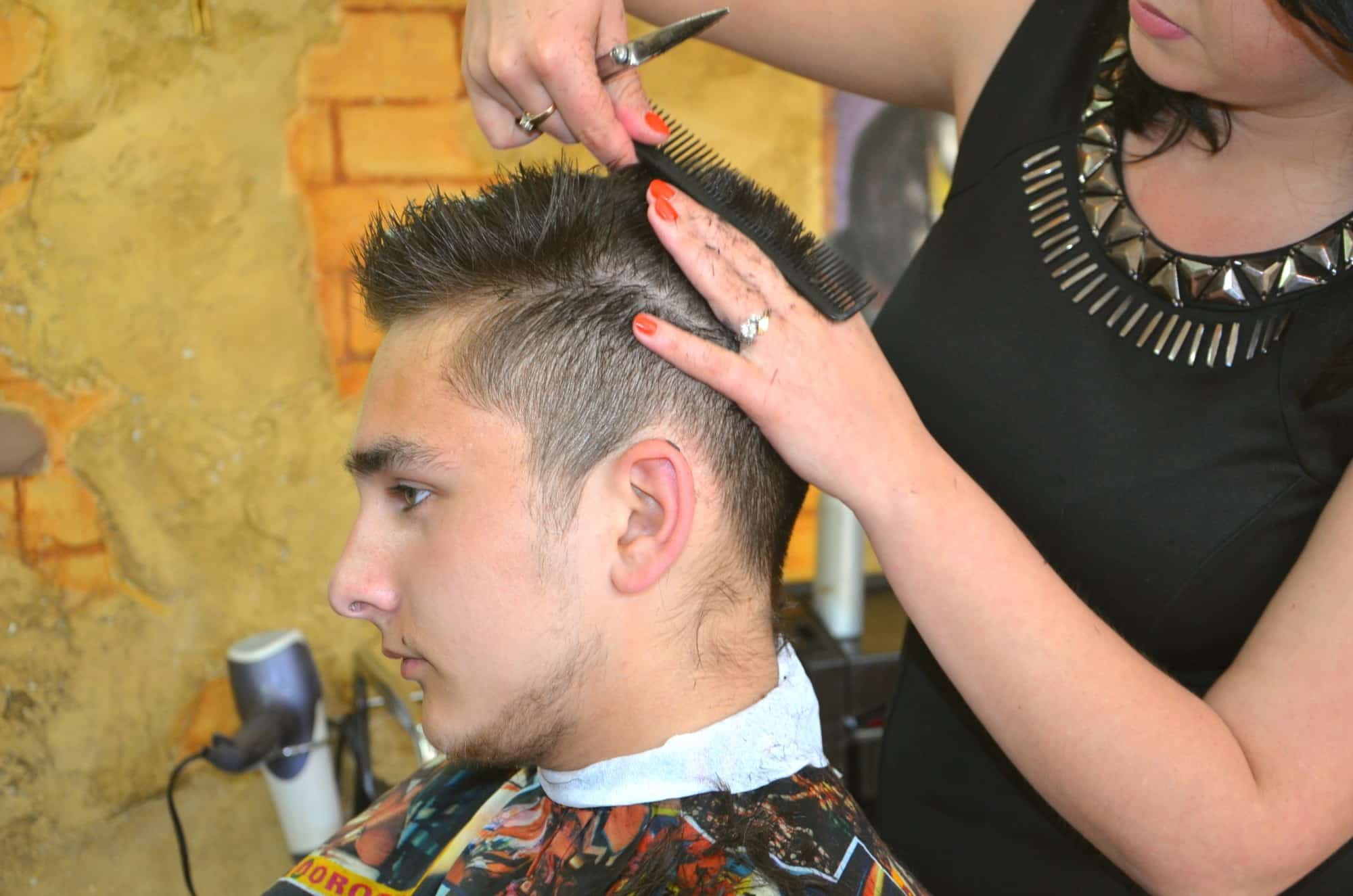
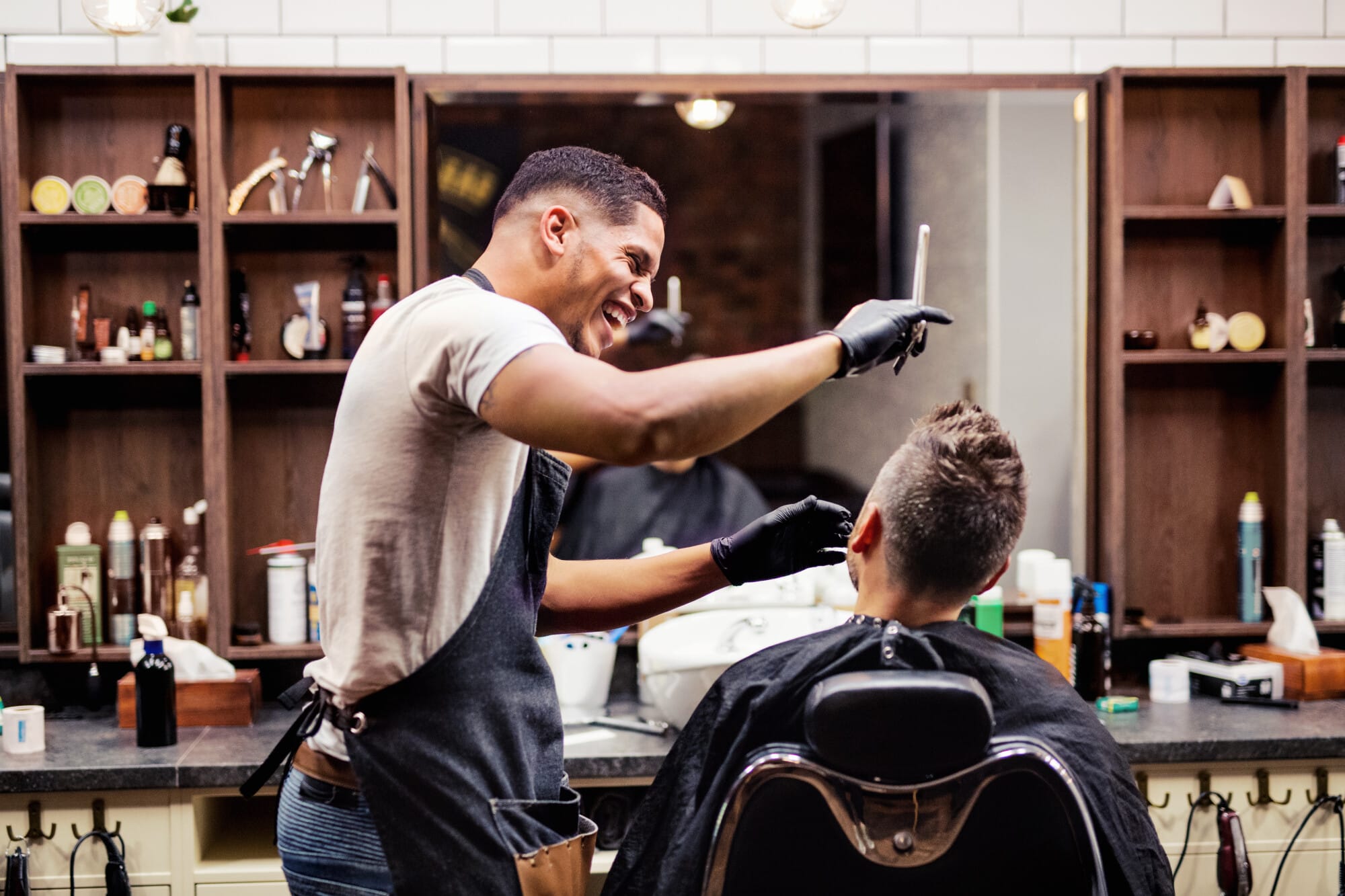
The student salon is the classroom that counts. Guests from across the Antelope Valley book cuts, beard trims and shaves, and students work them under instructor supervision. Razor work over the face and neck in particular is a skill built by repetition on real skin, with someone experienced watching every pass.

Classes start weekly, so there is no waiting for an intake date. The sections below cover what the course includes, from cutting and clipper work through facials, beard trimming and shaving as well as color, perming, relaxers and styling, and the steps between your final hour and a California barber license.

Barbering Program · Lancaster, CA
Earn Your California Barber License

One thousand clock hours of cutting, clipper work, beard trimming and razor shaving on 10th Street West, worked on real guests.

Barbering is the licensed trade of cutting and shaping hair, trimming beards and shaving — clipper and shear work, razor work over the face and neck, and the sanitation practice that makes both safe to perform on a paying guest.

The Barbering course at Lancaster Beauty School covers all aspects of hair cutting, facials, beard trimming and shaving, and you will also learn color, perming, relaxers and styling. Graduation requires completion of 1,000 hours and the minimum requirements of theory and operations. Classes start every week.

What the Barbering Course Covers

Haircutting

All aspects of hair cutting — the course objective is a barber who can deliver a clean, repeatable cut rather than one lucky result.

Clipper Work, Fades and Tapers

Clipper technique is the backbone of barbering: guard work, blending and the tight taper that a fade lives or dies on.

Razor Shaving

Shaving is named explicitly in the course. Razor work over the face and neck is the skill that most separates a barber from a stylist.

Beard and Mustache Trimming

Beard trimming and shaping — increasingly the reason a guest books at all, and often the fastest service to master commercially.

Color, Perming and Relaxers

The barbering course also teaches color, perming and relaxers, so chemical services are not a gap in what you can offer.

Facials

Facials are part of the barbering curriculum here, which supports the hot-towel and skin side of a traditional barbershop service.

Safety and Sanitation

Instruction in all safety and sanitary measures related to patron protection — non-negotiable when a razor is involved, and heavily examined.

The Business of Barbering

Course objectives include developing marketing and sales skills to become a successful barber, plus job training, ethics and self-assurance.

Your Path to a California Barber License

  1. Speak to admissions and enroll. Barbering classes start every week.
  2. Complete 1,000 hours plus the minimum requirements of theory and operations.
  3. Work on booked guests in the student salon so your cutting speed is real, not theoretical.
  4. Sit the State Board exam — objective A of the course is preparing you to pass it.
  5. Get licensed, then take an entry-level chair or rent your own station.

How Long Does It Take to Become a Barber?

California requires 1,000 clock hours for barbering, the same figure as cosmetology. That is the number that decides the length of the program, and it is earned in person — there is no way to shortcut hours in a licensed trade.

How many months that becomes depends entirely on the schedule you enroll on and how many hours a week you attend. Rather than publish an average that may not match your situation, admissions will map the hours against the class times currently running.

Barbering on the Student Salon Floor

Barbering is a volume trade. Confidence comes from repetition on different heads of hair, different growth patterns and different expectations — which is exactly what a working student salon provides and a classroom cannot.

Guests book, pay and expect a result, and they come back if you are good. Work is performed by students in training under the supervision of qualified certificated instructors, so you are never alone with a razor and a stranger, but you are doing the work.

The salon is open to the public Tuesday through Friday, and Saturday from 8:30 a.m., and closed Sunday and Monday.

What Barbers Do After Licensing

A California barber license leads to entry-level employment in a barbershop, which is course objective B. From there the usual paths are a chair in an established shop, renting a station and building a personal book, or eventually running a shop.

Barbering also sits close enough to cosmetology that some licensed barbers return to train in cosmetology to broaden into hair, skin and nails. Both programs run on this campus, and the instructor course is also taught here for licensed professionals who want to teach.

A Barber School in the Antelope Valley

Searches for a barber school near me in this area rarely turn up something in the Valley itself. Lancaster Beauty School is at 44646 10th St W, Lancaster, CA 93534, drawing students from Lancaster, Palmdale, Quartz Hill and Rosamond.

A thousand hours is a long relationship with a building, and barbering rewards local training in a specific way: the men whose hair you cut during those hours live nearby, and a barber book is built on people who come back every three or four weeks. Training where you intend to work is the head start.

The school office is open Monday to Friday, 9 AM to 5 PM. Directions are on the map and directions page.

Barbering Program FAQs

How many hours is barbering school in California?

Barbering requirements for graduation are completion of 1,000 hours plus the minimum requirements of theory and operations. It is the same clock-hour figure California sets for cosmetology.

What does the barbering course cover?

The course covers all aspects of hair cutting, facials, beard trimming and shaving, and you will also learn color, perming, relaxers and styling, together with safety and sanitary measures related to patron protection.

Do barbering students learn fades and clipper work?

Yes. Clipper work sits at the center of all aspects of hair cutting, which is what the barbering course covers, including the blending and tapering that a fade depends on.

When do barbering classes start?

The school is enrolling for the Barbering course and classes start every week, so there is usually a start date close to whenever you decide to begin.

Is barbering the same as cosmetology?

They are separate California licenses with separate State Board exams. Both require 1,000 hours here. Barbering concentrates on cutting, beard work and shaving, while cosmetology spans hair, skin and nails.

Do barbering students shave real clients?

Shaving is part of the course, and student work in the salon is performed on members of the public under the supervision of qualified certificated instructors.

Talk to Admissions

Ready to get behind a chair? Talk to an advisor about the barbering schedule, the weekly start dates and what the shop floor asks of a first-year student.

Contact Admissions →Request an Info Pack

Explore Lancaster Beauty School